AGP Executive Report
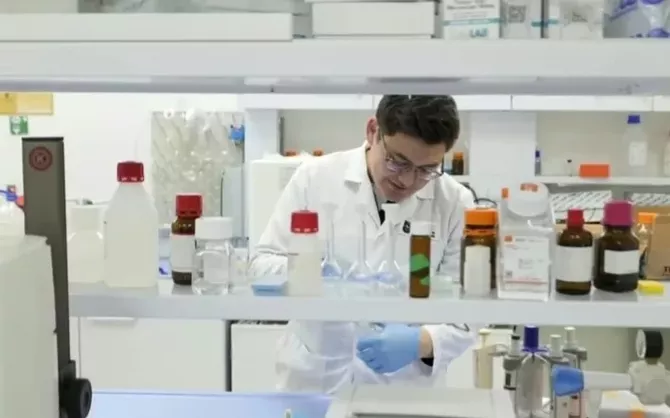
Last update: 8 hours agoMaternal and Child Health: Kazakhstan reports infant mortality at 3 per 1,000 live births and plans to build 16 children’s hospitals and perinatal centres. Officials credit improved perinatal care and earlier detection; survival among extremely low-birth-weight infants is 57%. Cancer Research: Nazarbayev University doctoral researcher Sanazar Kadyr is testing a gel-based nanoparticle system to deliver drugs directly to intestinal tumours, potentially sparing healthy cells. The work remains at an early stage. Healthcare Workforce: Vacancies far outnumber applicants for key specialists: Kazakhstan has 100 resumes for 469 obstetrician-gynaecologist posts, 139 for 448 paediatrician roles and 75 for 300 anaesthesiologist-resuscitator positions. School Wellness: Free archery classes are being introduced in schools in major cities, giving students a new route into sport and physical activity.
Note: AI summary from news headlines; neutral sources weighted more to help reduce bias in the result. Feedback is welcome. Please let us know if you have any comments or suggestions about the AGP Executive Report.

 Perspectify News